


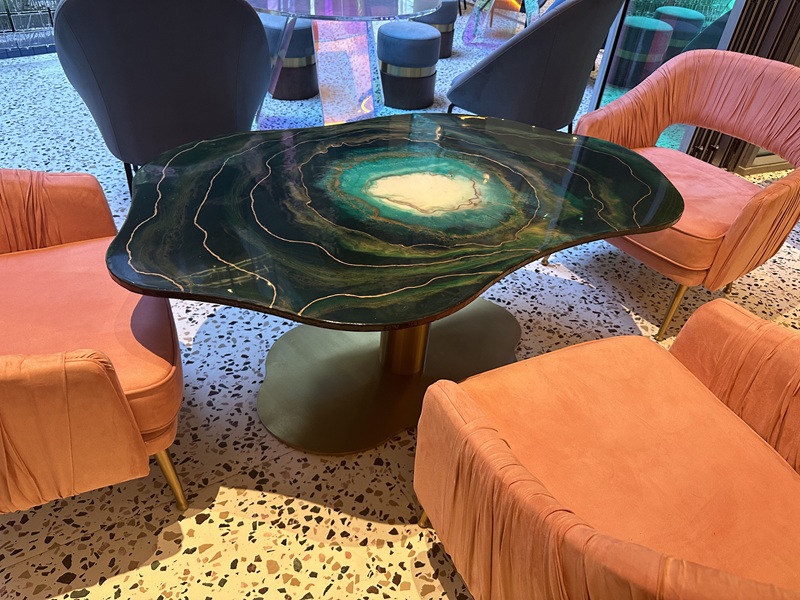
Hotel furniture upholstery fabric is the single most touched, most abused, and most visible surface in a hospitality interior — and the one most often specified on look alone. A beautiful fabric that fails abrasion testing or misses the fire standard becomes a replacement cycle and an inspection problem within a season. After more than 25 years manufacturing loose and fixed furniture for five-star hotels, resorts, and serviced apartments, we specify upholstery as a performance system, not a swatch.
What hotel furniture upholstery fabric must deliver
Upholstery has to satisfy three masters at once: appearance, durability, and compliance. Appearance is the easy one — color, texture, and hand. Durability is measured by abrasion cycles (the familiar rub-count standard), pilling resistance, and colorfastness to light and cleaning. Compliance is the fire build-up — the fabric face combined with the foam and interliner must meet the market standard, whether CAL 117, CAL 133, TB 133, EN 1021, or BS 5852. Hotel furniture upholstery fabric that wins on two of three and misses the third is not a usable specification.
The mistake is specifying the face fabric without specifying the build-up. The fabric, foam, and interliner are a system; the fire certificate belongs to the combination, not to the cloth alone. A buyer who approves a swatch but not the build-up has not actually approved the compliant piece.
Match the fabric to the space
Not every space needs the same performance tier. High-traffic public-area seating earns a higher rub count and a tighter weave than a low-use guestroom accent chair. Specify to the use, and the budget follows the wear.
- Public-area and lobby seating — highest abrasion rating, stain-resistant treatment, tight weave.
- Guestroom seating — mid-tier durability with a hospitality-grade cleanability.
- Outdoor and poolside — solution-dyed, UV-stable, quick-dry construction.
- All of the above — documented fire build-up to the market standard.
Specify the build-up, not just the swatch
A manufacturer with in-house soft-seating capability can build the upholstery to a documented, certifiable system — fabric, foam grade, and interliner named together and tested as a unit. OC International builds loose and fixed furniture to the fire-safety and emissions standards each market requires, under an ISO 9001-controlled process, and documents the upholstery build-up for audit. Review the scopes where upholstery carries the most wear: casegood and soft seating sets, hotel public area furniture sets, and loose furniture sets.
Fabric types and where each belongs
Hotel furniture upholstery fabric is not one material but a family. Woven synthetics and polyesters dominate contract seating for their abrasion resistance and cleanability. Vinyl and coated fabrics suit high-moisture or high-cleaning environments such as poolside bars and healthcare-adjacent spaces. Leather and leather-look options carry a luxury signal in lobbies and suites but need a different care regime. Natural wools and blends appear in lower-traffic, design-led areas. The choice is driven by the space's wear profile, not by which swatch the designer liked first.
Durability ratings explained
Abrasion is measured by rub count — often referenced as Wyzenbeek (common in the Americas) or Martindale (common in Europe and Asia-Pacific) — counting the double rubs a fabric survives before showing wear. Higher counts signal longer service in demanding seats, but the number must be read against the use: a 100,000-rub fabric in a quiet guestroom chair spends budget on wear the room will never see, while a 30,000-rub fabric in a lobby banquette is a replacement waiting to happen. Hotel furniture upholstery fabric specified to the right band for the location is what keeps both cost and performance honest.
Beyond abrasion, look at pilling resistance, colorfastness to light (important near windows), and colorfastness to wet and dry crocking, because a fabric that fades or transfers color fails the guest test even when it passes the rub test.
Cleaning, stain resistance, and FR treatment
Hospitality upholstery is cleaned in place, often by staff without specialist equipment, so cleanability is a spec item, not a footnote. Stain-resistant treatments help, but the base weave and the cushion construction matter more over time. Equally, the fire build-up — fabric, foam, and interliner tested as a unit — must be specified to the market standard and documented, because a beautiful but non-compliant fabric cannot be installed. Hotel furniture upholstery fabric that pairs an appropriate cleanability spec with a documented, certifiable fire build-up is what actually survives a commercial interior.
Building a fabric specification that holds up
A usable upholstery spec is a short document, not a swatch book. It names the performance tier per space, the rub-count band, the lightfastness requirement, the cleanability method, and the fire build-up — fabric, foam, and interliner — to be tested and certified as a unit. Hotel furniture upholstery fabric specified this way removes ambiguity: the supplier quotes to the same standard the inspector will check, and the buyer receives a piece that is both attractive and defensible.
The spec should also state who approves the build-up and what documentation travels with the shipment. When these points are written, the beautiful fabric and the compliant fabric become the same fabric, and the seating performs from the first guest to the last. A vague "hospitality-grade" note, by contrast, leaves every one of those decisions to chance and to the supplier's default, which may not match the market.
Finally, the specification should be reviewed at prototype stage, so the chosen fabric is proven on the actual seat rather than approved as a loose swatch. The prototype confirms that the rub count, the cleanability, and the fire build-up all hold together in the built piece. Hotel furniture upholstery fabric that passes that test arrives ready for service, not ready for a replacement cycle — and that is the difference between a spec that looks right and one that performs.
Frequently asked questions
Does a higher rub count always mean better fabric?
It means more abrasion resistance, which matters most in high-traffic seating. A very high count in a low-use accent chair spends budget on wear the space will never see.
Is the fire certificate for the fabric or the build-up?
The build-up. The fabric, foam, and interliner are tested as a combination, so all three must be specified and documented together.
Can one fabric suit every space?
Sometimes, but specifying to the use is cheaper over the lifecycle. Public areas earn the highest performance tier; quieter spaces can step down without losing the look.
What does rub count actually measure?
It counts double rubs before wear shows, under Wyzenbeek or Martindale methods. Read it against the space: high-traffic seating needs a high count, low-use accent chairs do not.
Does stain treatment replace fire compliance?
No. They are separate requirements. A fabric can be both stain-resistant and fire-compliant, but the fire build-up must be specified and certified regardless of any surface treatment.
How often should fabric be re-evaluated?
At each new project or room-type refresh, because standards and available treatments evolve. Re-specifying against the current market keeps the build-up both compliant and competitive without re-learning the whole system.
Should pattern and color be part of the compliance spec?
Pattern and color are aesthetic, but they affect how wear and soiling show. A lighter weave in a high-traffic seat may need a higher performance tier to last as long as a darker one — so the aesthetic choice should inform the performance tier, not ignore it.
Can we mix fabric tiers within one property?
Yes, and it is usually the right call — public areas earn the highest tier, quieter spaces step down. Specifying by use keeps the lifecycle cost honest while protecting the look where guests notice it most.
In short, hotel furniture upholstery fabric is specified as a performance system — appearance, durability, and a documented fire build-up named together and tested as a unit. Match the tier to the space, specify the whole build-up, and the seating looks right on day one and still performs seasons later.
Why global hospitality teams work with OC International
OC International (OCI) has manufactured loose and fixed furniture for five-star hotels, resorts, and serviced residences since 1997. From our manufacturing base in Dongguan we support owners, developers, design firms, and FF&E consultants across the Americas, the Middle East, and Asia with one accountable team covering design development, production, quality control, packing, shipping, and on-site installation.
What our manufacturing base delivers
- In-house casegoods, soft seating, millwork and joinery under one roof — one specification, one documented quality system, one point of accountability.
- Builds engineered to the fire-safety and emissions standards your market requires — CAL 117, CAL 133, TB 133, EN 1021, BS 5852, FSC timber, and CARB P2 — under an ISO 9001-controlled production process.
- Prototype-to-volume discipline: a signed guestroom mock-up is the reference standard every production order is measured against.
- Coordinated logistics and installation that keep multi-room-type properties on a defined delivery sequence and a protected opening date.
Selected delivered projects
Our furniture has been delivered to landmark properties including the Fairmont Austin, Four Seasons Chicago, Sheraton Dhaka, Marriott Sydney, Conrad Los Angeles, and Hilton DoubleTree projects across multiple regions — each specified to the operator's brand standard and installed to opening.
Ready to specify upholstery as a performance system?
See upholstered furniture scopes Talk to our specification teamYour email address will not be published. Required fields are marked *